logo
منزل

مدونة حول Smart Glass Uses Electricity to Control Transparency

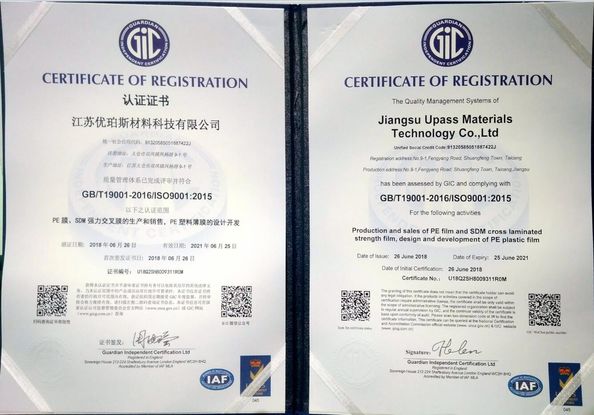
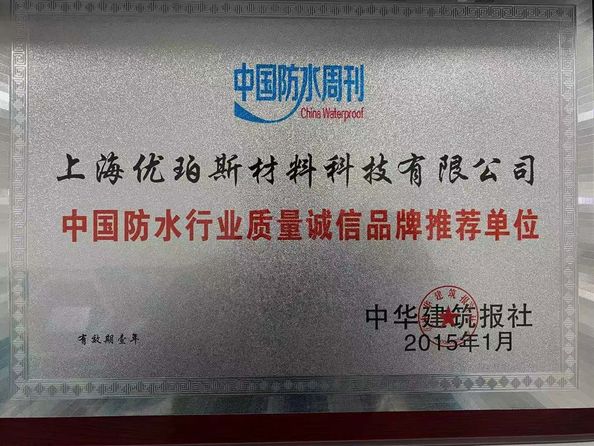
شهادة
الصين Upass Material Technology (Shanghai) Co.,Ltd. الشهادات
ابن دردش الآن
الشركة مدونة
Smart Glass Uses Electricity to Control Transparency
آخر أخبار الشركة Smart Glass Uses Electricity to Control Transparency

Have you ever wondered how smart glass can instantly switch between transparent and frosted states? This remarkable transformation isn't magic—it's the result of sophisticated technology working behind the scenes. At the heart of this innovation lies an ingenious electrical system that enables these dynamic changes.

Smart glass, also known as electrochromic glass or liquid crystal glass, features a specialized layered structure. Between two panes of glass lies a special film containing liquid crystal molecules. When electricity is applied, these molecules align in an orderly fashion, allowing light to pass through and creating a transparent appearance. When the power is cut, the molecules scatter randomly, blocking light transmission and creating a frosted, opaque effect.

Powering the Transformation

The electrical systems that enable these transformations come in several configurations, each designed for specific applications:

  • 1. DC Power Supply: The most common and straightforward method uses a low-voltage DC power adapter. This approach is widely used in residential and office settings due to its simplicity and safety. The adapter converts standard AC power to appropriate DC voltage, which is then delivered through discreet wiring to electrodes along the glass edges.
  • 2. AC Power Systems: Some industrial or large-scale commercial applications utilize AC power systems. These require specialized transformers and controllers to convert standard power to the correct voltage and frequency. While more complex to install, these systems can handle larger surface areas and higher operational demands.
  • 3. Smart Control Integration: Advancements in IoT and smart home technology have enabled seamless integration with building automation systems. Users can control transparency levels via smartphone apps, voice assistants, or automated settings that respond to environmental conditions. In these systems, power management is typically handled by a central control unit.
  • 4. Backup Power Solutions: High-end installations often incorporate energy storage or backup power systems. These ensure continuous operation during power outages—particularly important for privacy and security applications where maintaining opacity is critical.
Precision Power Delivery

Regardless of the power source, stable electricity delivery and precise control are essential for proper operation. Smart glass typically features integrated electrodes along its edges that distribute current evenly across the liquid crystal film. A microprocessor-controlled system manages voltage and current application, enabling smooth transitions between transparency states and various intermediate opacity levels.

This sophisticated electrical architecture transforms ordinary glass into a dynamic surface that can adapt to changing needs—offering unprecedented control over privacy, light management, and energy efficiency in modern architectural spaces.

حانة وقت : 2026-09-09 00:00:00 >> قائمة المدونات
تفاصيل الاتصال
Upass Material Technology (Shanghai) Co.,Ltd.

اتصل شخص: Mr. Aaron.Zhang

الهاتف :: 0086-15901747869

إرسال استفسارك مباشرة لنا (0 / 3000)